The God of Growth (James M. Tanner, 1920-2010)

The journal Economics and Human Biology has an obituary (in press) describing the life of James M. Tanner, and his singular contributions to the development of the study of human growth.  In his memorial, Roderick Floud quotes David Barker as saying “Jim was the God” of growth studies.

I had missed news of Tanner’s passing, which occurred in August, and was sad to learn of it. His work has been invaluable to many people, including my own teaching and research, from formulating growth charts to a comparative look at how people grow in different parts of the world. But it’s important to reflect not just on his contributions to science, but also the person behind them. One gets a sense of his compassion from the way he referred to childhood growth as a mirror for “the material and moral condition” of a society (1986: 3). Floud quotes an oft-cited passage by Tanner:


A child’s growth rate reflects, better than any other single index, his state of health and nutrition, and often indeed his psychological situation also. Similarly, the average value of children’s heights and weights reflect accurately the state of a nation’s public health and the average nutritional status of its citizens. . . . Thus a well- designed growth study is a powerful tool with which to monitor the health of a population, or to pinpoint subgroups of a population whose share in economic or social benefits is less than it might be.”

Select Works

Eveleth, Phyllis B. and Tanner, James M. 1990. Worldwide Variation in Human Growth (second edition). Cambridge: Cambridge University Press.

Tanner, James M. 1986. Growth as a mirror for the conditions of society: secular trends and class distinctions. In Human Growth: A Multidisciplinary Review. Arto Demirjian and Micheline Brault Dubuc, eds. Pp. 3-34. London: Taylor and Francis.

Tanner, James M. 1990. Fetus into Man: Physical Growth from Conception to Maturity. Cambridge, MA: Harvard University Press.
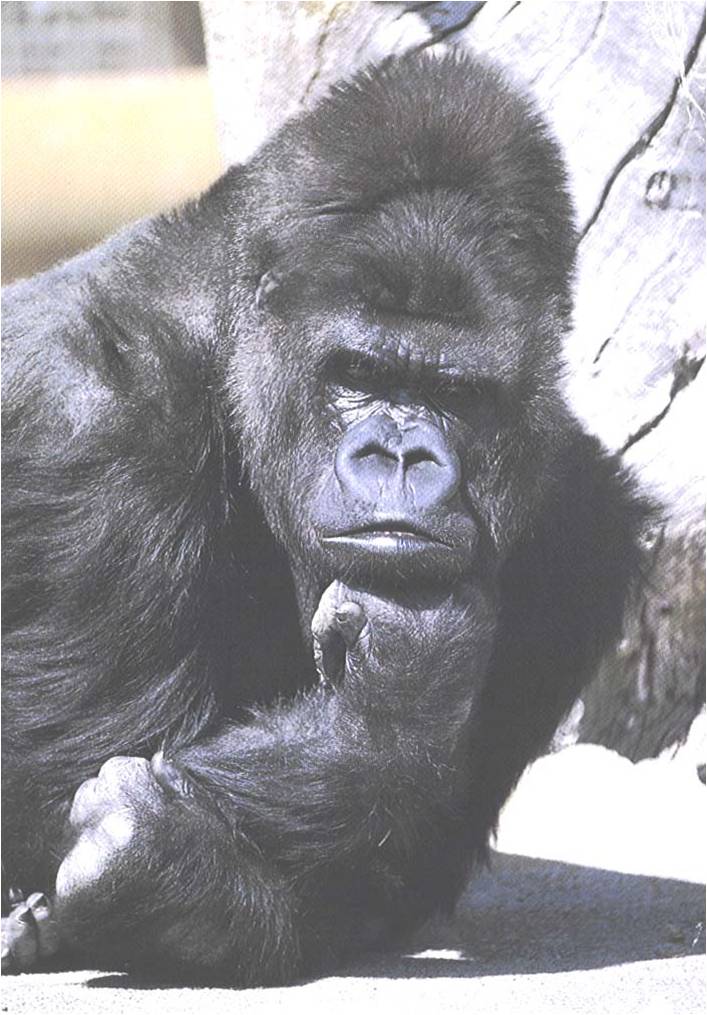
Choice, Obesity & the Irrational Ape (Homo insensatus)

What I see in Nature is a magnificent structure that we can comprehend only very imperfectly, and that must fill a thinking person with a feeling of humility.

……………………………………………………………………………………. – Albert Einstein

Another irrational ape (imitating Rodin’s ‘The Thinker’)

Jonah Lehrer has written another great piece about our irrationality in decision making, and our emotional responses to avoiding loss. He writes:

From the perspective of economics, there is no good reason to weight gains and losses so differently. Opportunity costs (foregone gains) should be treated just like “out-of-pocket costs” (losses). But they aren’t – losses carry a particular emotional sting.”

Others have noted the importance of emotion involved in decision making, and how it affects our ability to intuit how our choices will make us feel. When someone suffers damage to the prefrontal cortex of their brain, both their emotions and decision-making abilities are impaired (Bechara et al 1997). What this suggests is that emotions and reason are linked, rather than oppositional. They inform each other. This all fits in with Dan Ariely’s view of humans as “predictably irrational.”

Continue reading

Us, Them, & Non-zero Sumness

I love baseball, having played from Little League through high school. The game taught me many lessons about athletics, but also about life. As a New Englander, I grew up a Red Sox fan, which was sometimes painful (the infamous Bill Buckner game of the 1986 World Series fell on my 12th birthday). However, the 2004 championship was pure elation, and made up for everything. After the Red Sox came back from a 0-3 deficit to beat the Yankees in the ALCS (the semi-finals, for you non-baseball fans), my father, brother, uncles, cousins, and I took photos in front of the television, as if we were documenting history. I even made sure my infant son was in the photos, to prove to him when he got older that he was there. Ridiculous, right?

Game 5, 2004 ALCS (gothamist.com)

Continue reading

JFK on Nature and Nurture

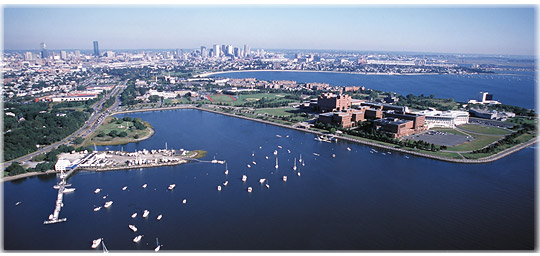
My university, UMass Boston,  sits on a beautiful spot.  Fortunately for us, we get to share a peninsula in Dorchester with the Massachusetts Archives and the John F. Kennedy Presidential Library. Taking advantage of our school’s location, I’ve made a few trips over to the JFK Library, a very attractive building designed by I.M. Pei.


Continue reading

Killer Ghosts & Broken Hearts: The Mystery of Sudden Unexplained Death in Sleep in Asian Men

One of the strengths of a biocultural perspective in anthropology is its broad approach to understanding human biology and health (Wiley and Allen 2008). Such a framework seems particularly appropriate when looking at the fascinating phenomenon of SUDS (Sudden Unexplained Death During Sleep). Though SUDS first appeared in the medical literature 1917 in the Philippines, where it is referred to as ‘bangungut’ (Guazon 1917), it was largely forgotten until the late 1970s when it regained notoriety as an important cause of mortality among Southeast Asian refugees in the United States, particularly among young men (Baron et al 1983).

Continue reading

The Evolution of Childcare (& Washington, D.C.)

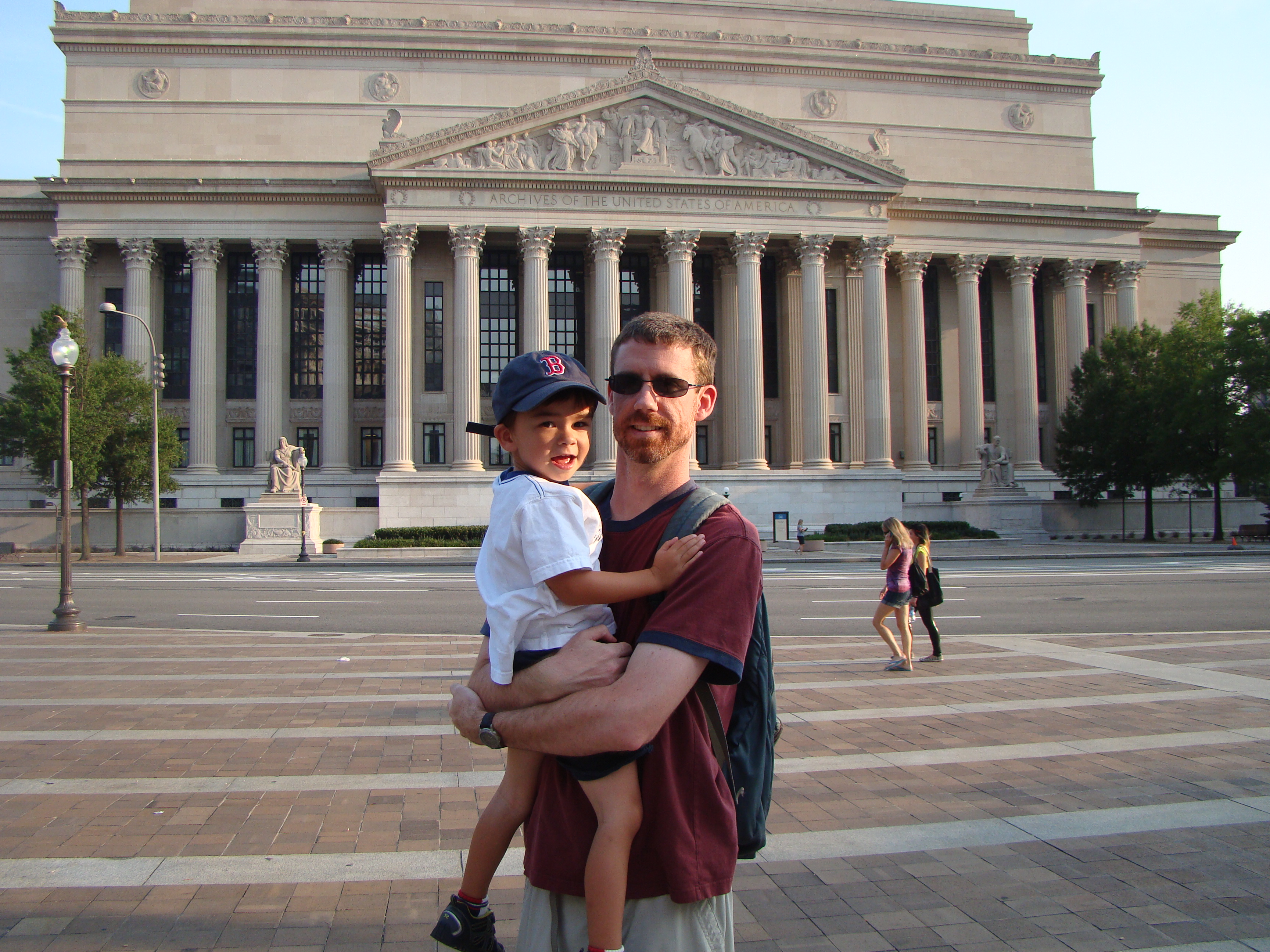
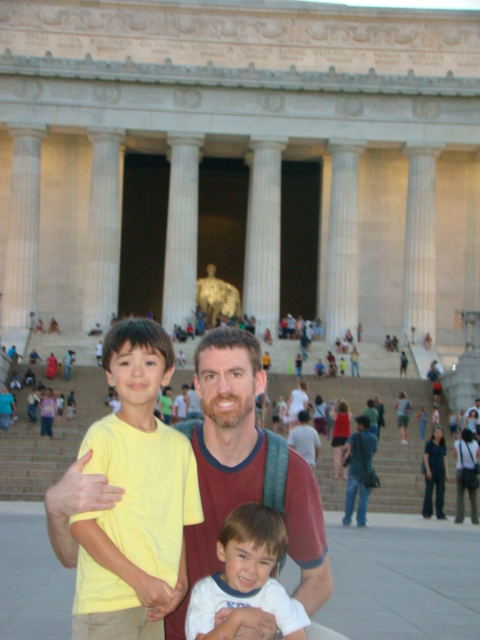
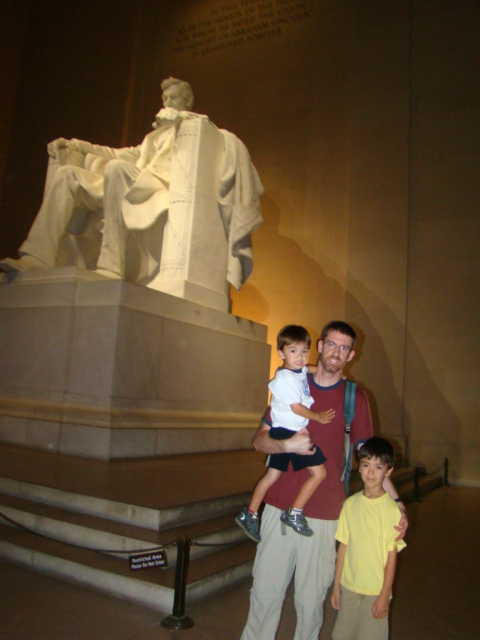
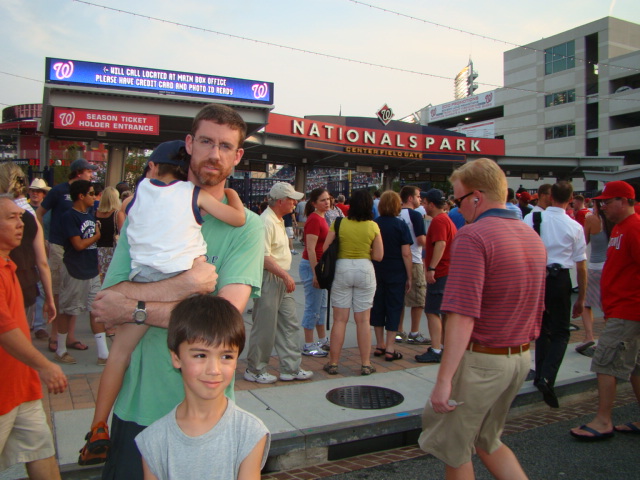
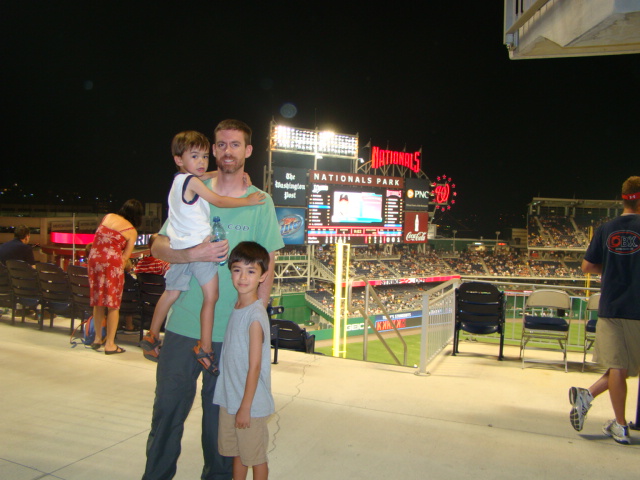
Our family took a road-trip to Washington D.C. this summer. After looking at the photos, I realized the subtitle of our stay could have been: how I carried my toddler son everywhere… in humid, 95 degree weather.

Continue reading

A Human Biology of War: The Proximate and the Ultimate

On the surface, it may not be so clear where war, health, and evolution intersect. From the perspective of biological anthropology, many have called for a holistic, transdisciplinary approach to human biology and health which considers the environment as the totality of its evolutionary, ecological, and social components, including social inequality (Little and Haas 1989; Thomas et al. 1989; Wiley 2004).

Girl in Darfur refugee camp (source: Colin Finlay)

More than a decade ago, Leatherman and Goodman (1998) suggested that biological anthropologists put more effort toward better understanding what they termed the ‘biology of poverty.’ In this sense, poverty is an ‘environment’ that may induce consistent, but obviously varying, biological responses depending upon local circumstances. Similarly, war can be conceived as a biological environment. At least in the short term from an evolutionary point of view, wartime conditions may be as biologically challenging as some of the classic ecologically extreme environments faced by humans (circumpolar, tropical, high-altitude, desert, etc.) (Clarkin 2010).

Continue reading

American – Laotian Relations

Yesterday marked the first visit of a Laotian government official to the United States since 1975. According to the Department of State website, Foreign Minister Thongloun Sisoulith and Secretary Hillary Clinton discussed many issues:

.. Continue reading

Laos: The Not So Secret War

Map of bombing record in Laos (from organization UXO Lao)

Below is a clip of a 1970 CBS  exposé of the war in Laos, which had only become known to the American public  shortly before it was aired.

I had not seen most of this footage before, and find it pretty riveting. At the time this was shown, the war in Laos really was still pretty much a ‘secret war’ because of the 1962 Geneva Accords which declared Laos to be neutral and largely off-limits to foreign interference, specifically foreign troops. Of course, that wasn’t quite the way things played out. There are some really interesting tidbits of history in there that video conveys in a way that merely reading about history cannot, such as:

Continue reading

Refugees and Health

A recent book, “War and the Health of Nations“,  by Zaryab Iqbal (Political Science, Penn State) takes a look at the associations between national health statistics and the presence and duration of war.


Chapter 8 explores the topic of forced migration and population health, though with a novel approach. Instead of exploring the ways that forced displacement by war is associated with health in refugees themselves, Iqbal looked at whether an influx of refugees affected overall health statistics in the host country. Utilizing aggregate health data from the World Bank and the number of refugees entering a state in a given year, she tested for associations between the two while accounting for multiple covariates (presence and duration of conflict, GDP, population size, openness to trade, and how democratic/autocratic a country is).

Continue reading