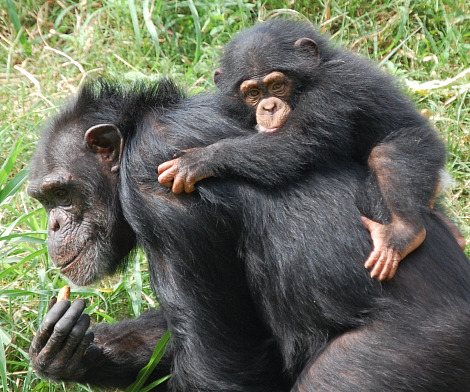
Choice, Obesity & the Irrational Ape (Homo insensatus)

What I see in Nature is a magnificent structure that we can comprehend only very imperfectly, and that must fill a thinking person with a feeling of humility.

……………………………………………………………………………………. – Albert Einstein

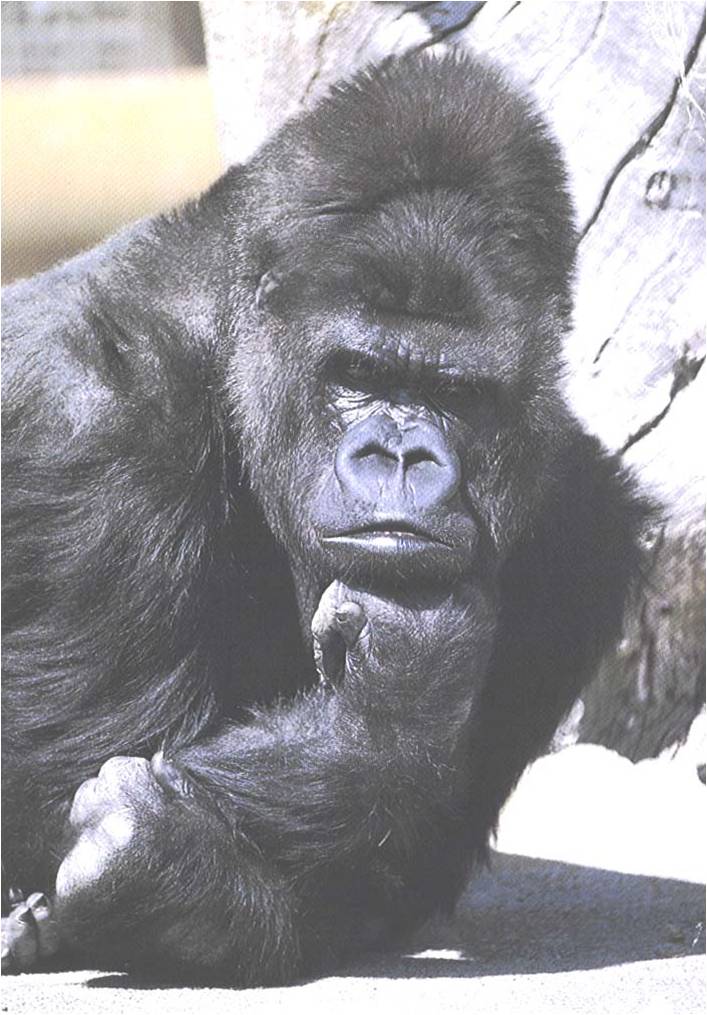
Another irrational ape (imitating Rodin’s ‘The Thinker’)

Jonah Lehrer has written another great piece about our irrationality in decision making, and our emotional responses to avoiding loss. He writes:

From the perspective of economics, there is no good reason to weight gains and losses so differently. Opportunity costs (foregone gains) should be treated just like “out-of-pocket costs” (losses). But they aren’t – losses carry a particular emotional sting.”

Others have noted the importance of emotion involved in decision making, and how it affects our ability to intuit how our choices will make us feel. When someone suffers damage to the prefrontal cortex of their brain, both their emotions and decision-making abilities are impaired (Bechara et al 1997). What this suggests is that emotions and reason are linked, rather than oppositional. They inform each other. This all fits in with Dan Ariely’s view of humans as “predictably irrational.”


Continue reading

Killer Ghosts & Broken Hearts: The Mystery of Sudden Unexplained Death in Sleep in Asian Men

One of the strengths of a biocultural perspective in anthropology is its broad approach to understanding human biology and health (Wiley and Allen 2008). Such a framework seems particularly appropriate when looking at the fascinating phenomenon of SUDS (Sudden Unexplained Death During Sleep). Though SUDS first appeared in the medical literature 1917 in the Philippines, where it is referred to as ‘bangungut’ (Guazon 1917), it was largely forgotten until the late 1970s when it regained notoriety as an important cause of mortality among Southeast Asian refugees in the United States, particularly among young men (Baron et al 1983).

Continue reading

The Evolution of Childcare (& Washington, D.C.)

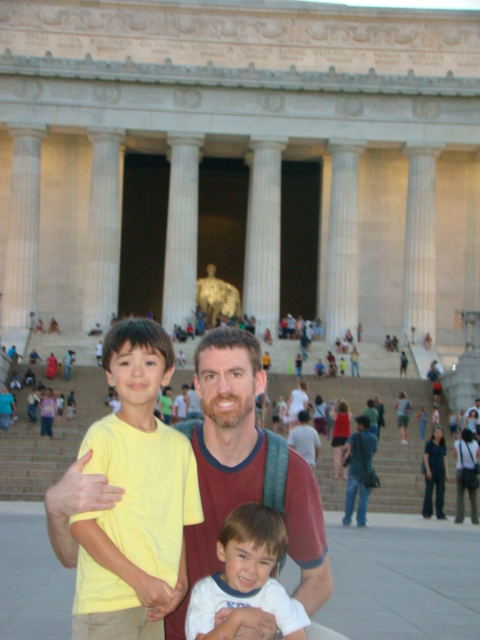
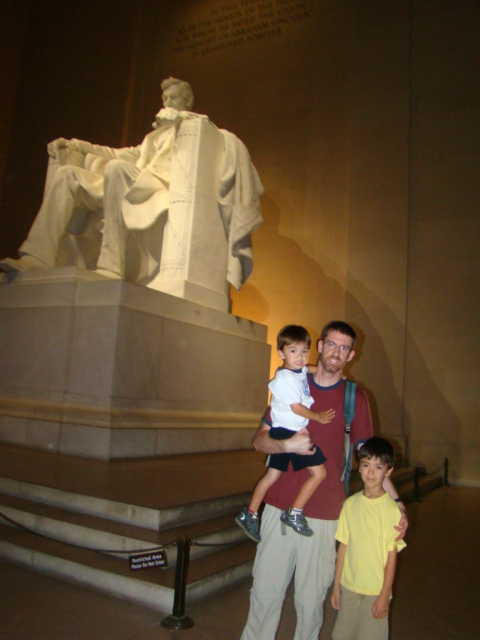
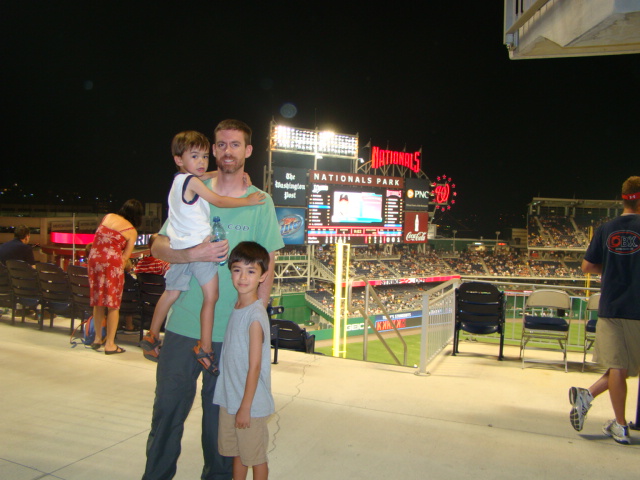
Our family took a road-trip to Washington D.C. this summer. After looking at the photos, I realized the subtitle of our stay could have been: how I carried my toddler son everywhere… in humid, 95 degree weather.

Continue reading

Inequality, Evolution & Obesity

A recent study on child obesity by researchers at Harvard has received a good deal of media attention lately. In the NY Times, a synopsis of the study was one of the most emailed articles in the country (“Baby Fat May Not Be So Cute After All,” March 22). The key sentence from that article:

“More and more evidence points to pivotal events very early in life — during the toddler years, infancy and even before birth, in the womb — that can set young children on an obesity trajectory that is hard to alter by the time they’re in kindergarten.”


Continue reading

Shrinking babies

Harvard researchers are reporting in the journal Obstetrics & Gynecology that the average birth weight in the U.S. has actually dropped over the past 15 years. The study looked at more than 36 million full-term births between 1990 and 2005. After controlling for confounding variables, it was found that birth weight had decreased by 52 grams. This trend ran counter to that found previously, which was that birth weights had been steadily increasing over the last century. A secondary analysis suggested that the drop was not due to a change in maternal demographics, as the trend was also found in a subset of white, well-educated non-smoking women as well.

Continue reading