Funding the removal of UXO in Laos


War leftovers, decorating a hotel lobby in Phonsavan, northern Laos (July, 2009)


I was impressed by the conviction shown by Congressman Mike Honda (D-CA), when he wrote in today’s Washington Times that “we have a moral obligation to fix this problem” (leftover unexploded ordnance in Laos).  He also called for an increase in funds and a sustained commitment to removing leftover cluster bombs dropped by U.S. planes in the 1960s and 70s.

Incidentally,  the organization Legacies of War testified before Congress last week, including Rep.  Honda, about the extent of the problem of UXO in Laos, and the need for greater funding. As I wrote previously, the scope of the problem is massive and deserves much more attention than it has gotten thus far.

Conference April 23-25

I’ll be in Seattle April 22-25 at a conference on War and Global Health at the University of Washington.

My session is Saturday, April 24 at 11AM (War and Children). I’m really looking forward to it.

Making Peace with the Past

“The past is never dead. It is not even past.”  –William Faulkner

Bosnian Muslims in Trnopolje camp, 1992

The dividing line between past and present is almost never clear cut. We constantly carry our pasts around with us: personal, cultural, historical, and evolutionary. Often, those pasts are burdened with regrettable or undesirable incidents and other phenomena, be they tragedies, atrocities, accidents, bad memories, poor decisions, crimes, natural disasters, or even as part of our evolutionary baggage (e.g., oncogenes, a ruptured appendix, or impacted wisdom teeth). At different times we may find ourselves as the aggrieved or the aggrieving party. To the extent that we can, we make extraordinary efforts to get past our pasts via redemption, reparation, and reconciliation.

Continue reading

The Sin of Certainty

Screen capture from wikileaks video, Iraq

Lane Wallace wrote a recent article in The Atlantic about bias in journalism, and how it influences the questions that one asks. As journalists are human beings, I think we can reasonably assume that they, like everyone else, have biases. What resonated with me was Wallace’s use of the phrase ‘the sin of certainty,’ coined by the science writer Jonah Lehrer. I think this phrase has great utility and should humble us when we consider how much we don’t know. As an example, chemists have just observed for the first time a new yet-to-be-named element (#117). It took until the late 1990s for physicists to recognize that perhaps up to 95% of the universe is actually comprised of dark matter and dark energy. These are far from trivial matters, yet they have eluded us until now.


Continue reading

The Power of Love

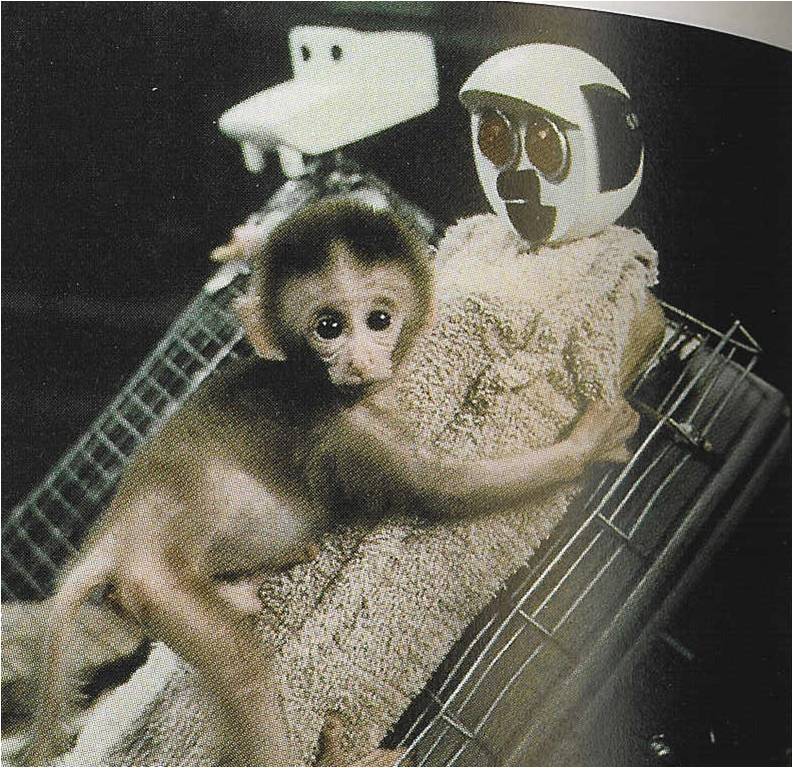
Infant rhesus monkey with terrycloth ‘mother’

As social animals, we need to be around others. Virtually everything we do is social – trade, eating meals, watching sports in stadiums or movies in theaters, religious services, education, the internet, etc. Even war is a social activity. No human being on the planet is completely self-sufficient. Being social is more than utilitarian, however; it is also biologically and psychologically necessary. For example, one of the most severe forms of punishment in prisons is solitary confinement.

Continue reading

Inequality, Evolution & Obesity

A recent study on child obesity by researchers at Harvard has received a good deal of media attention lately. In the NY Times, a synopsis of the study was one of the most emailed articles in the country (“Baby Fat May Not Be So Cute After All,” March 22). The key sentence from that article:

“More and more evidence points to pivotal events very early in life — during the toddler years, infancy and even before birth, in the womb — that can set young children on an obesity trajectory that is hard to alter by the time they’re in kindergarten.”


Continue reading

Rising Apes and Fallen Angels

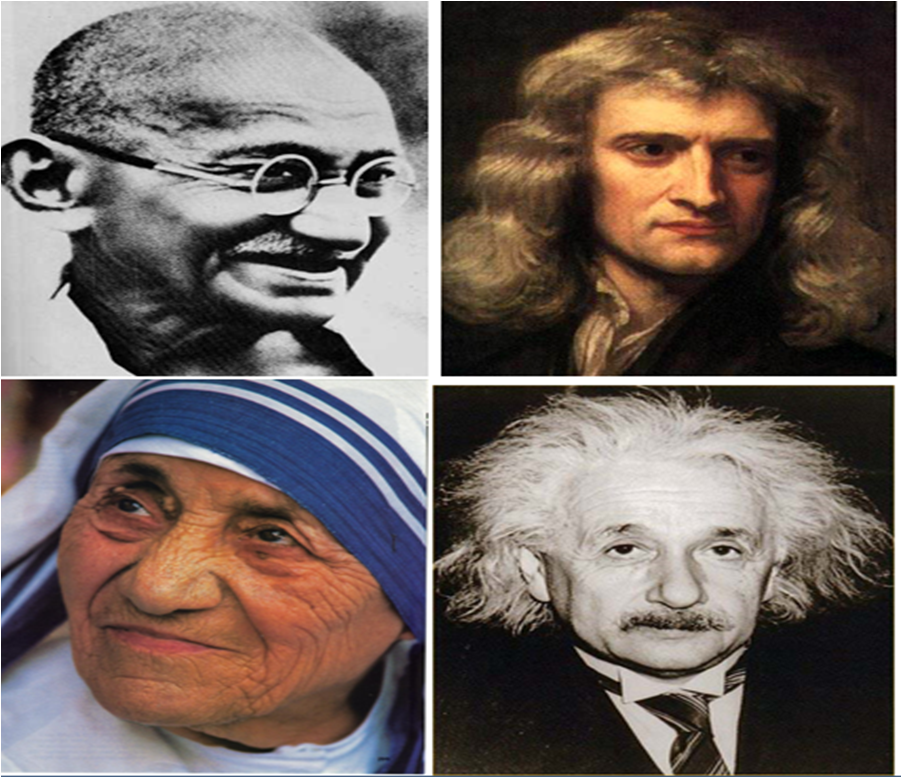
In my weaker moments, I always found it somewhat comforting to know that nobody is perfect. Even historical figures that are often conflated with human perfection had serious flaws. Isaac Newton is considered by many to be the most brilliant person in history, but was aloof, suffered from nervous breakdowns, and as a teenager may have threatened to kill his mother and step-father. Gandhi wrote frequently about his own imperfections and struggles with selfish desires. Einstein deserted his wife and two children for another woman (his cousin). Mother Teresa wrote about her own doubts and struggles with faith. Jesus had his fit of rage in the temple.

Continue reading

One Big Family

Evolutionary tree, Darwin’s notebook

Whether you like it or not, you are, in fact, my cousin. We can verify this through a couple of complementary lines of argument, one working forward in time, the other working backward. First, we know that all human beings comprise a single species, Homo sapiens. In 2005, Ian McDougall and colleagues reported in the journal ‘Nature’ that the oldest fossils belonging to our species were dated at 195,000 years old, and were discovered in Omo, Ethiopia. We all share this common point of origin as our lineages have intertwined and diverged over the last 8,000 to 9,000 generations or so.

Continue reading

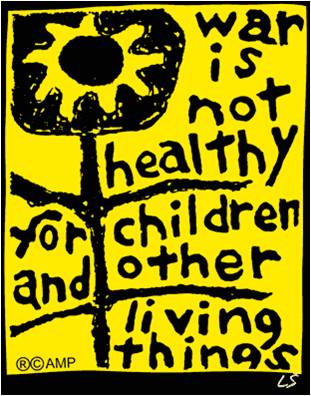
War REALLY is Bad for Children (& Other Living Things)

A recent report by the group Physicians for Human Rights described the plight of Rohingya refugees from Myanmar who resettled in Bangladesh. Starvation conditions were said to be widespread among the estimated 200,000 to 400,000 refugees, with  18.2% of children aged 5 years or younger showing signs of acute malnutrition.  For comparison, a rate of 10% is considered by humanitarian agencies to be a serious situation, while 15% is considered critical.

Continue reading

Lingering Effects of the War in Laos

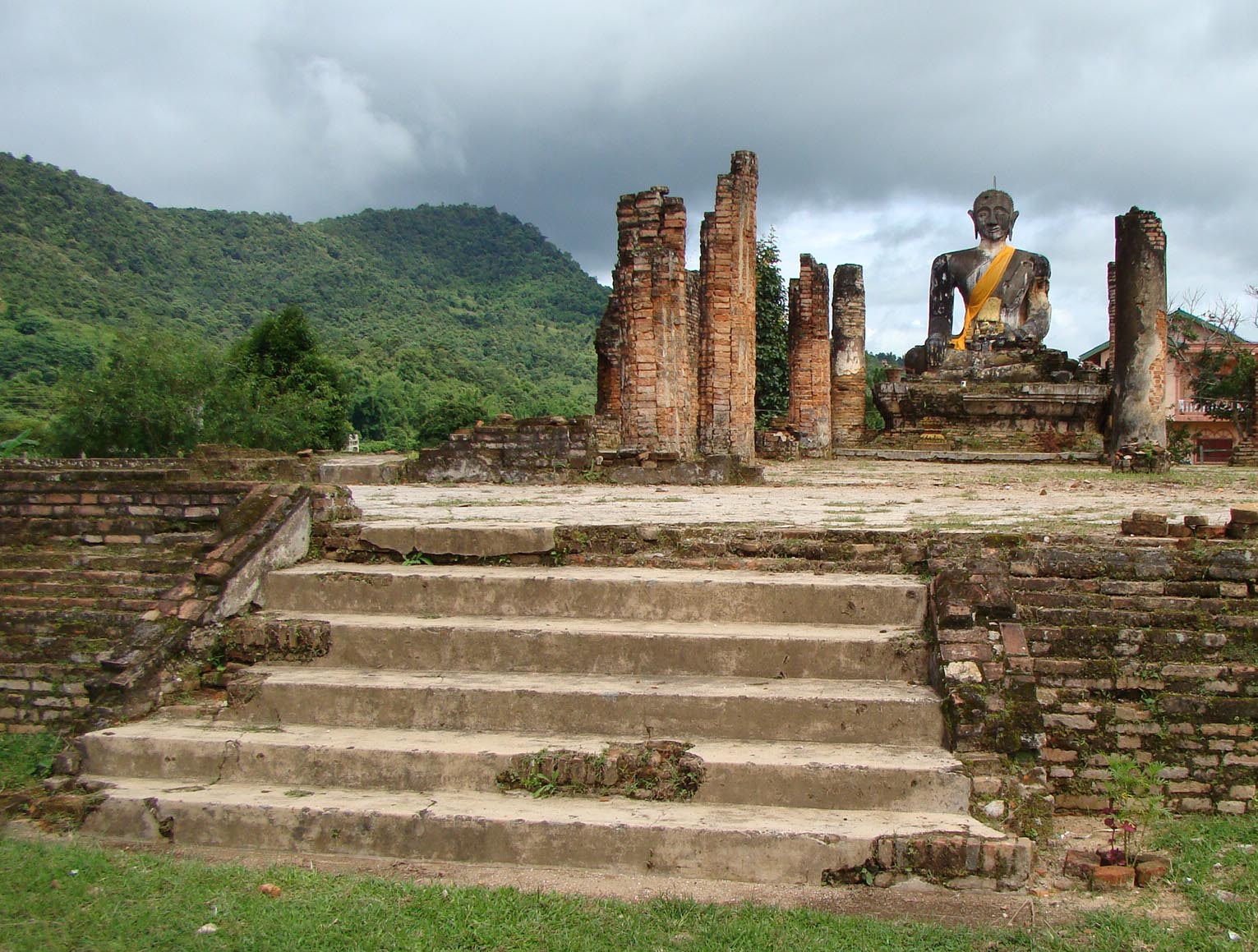
Destroyed temple in Moang Khoune (Xieng Khouangville)

The Lao National Regulatory Authority (LNRA) recently released an impressive, 106-page report on the victims of unexploded ordnance (UXO) over the last few decades. The authors, Mike Boddington and Bountao Chanthavongsa, and all of the associated researchers should be commended for this invaluable contribution, which documents in a systematic fashion the damage done by the war. Researchers covered more than 9,000 villages in Laos (95%), collecting retrospective data from interviews with residents about injuries or deaths caused by mines, large bombs, mortars, bombies, etc. from 1964 to 2008. In all, the report found that more than 50,000 people were injured or killed by UXO in Laos, though the authors acknowledge that this is likely an underestimate, perhaps by as much as 20%. Results revealed that Savannakhet and Xieng Khouang provinces were the two most affected in terms of the number of casualties, which makes sense, given their strategic and geographic importance in the southern and northern parts of the country, respectively.

Continue reading