The Evolution of Childcare (& Washington, D.C.)

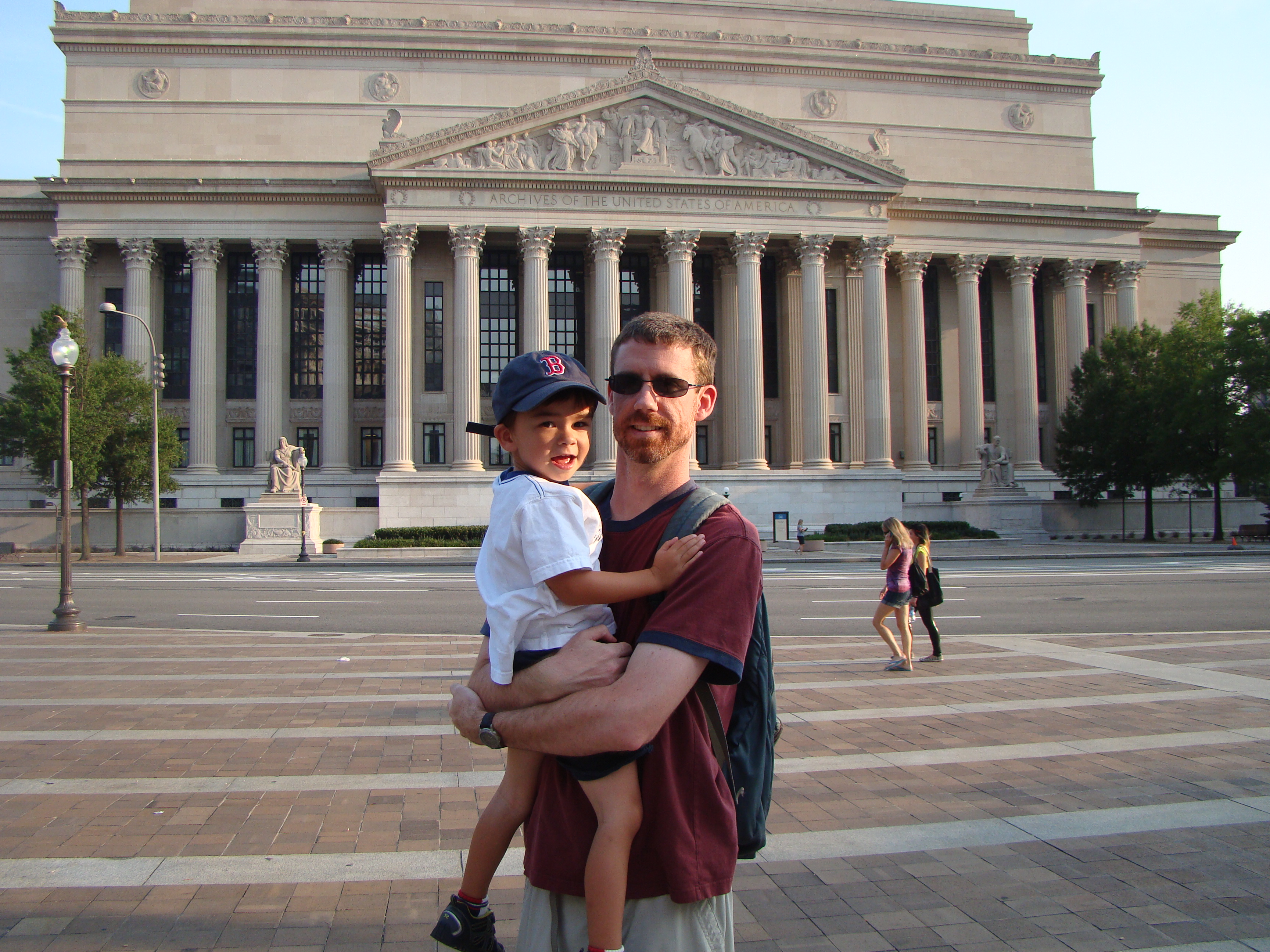
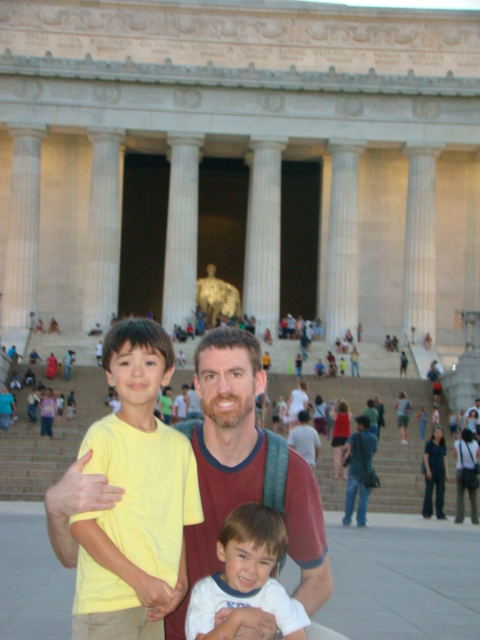
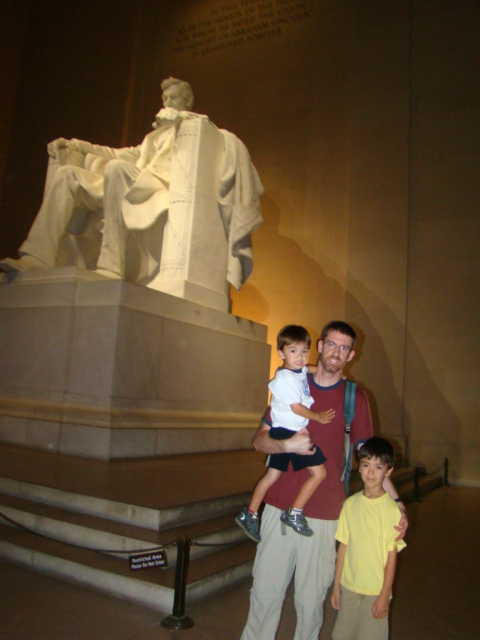
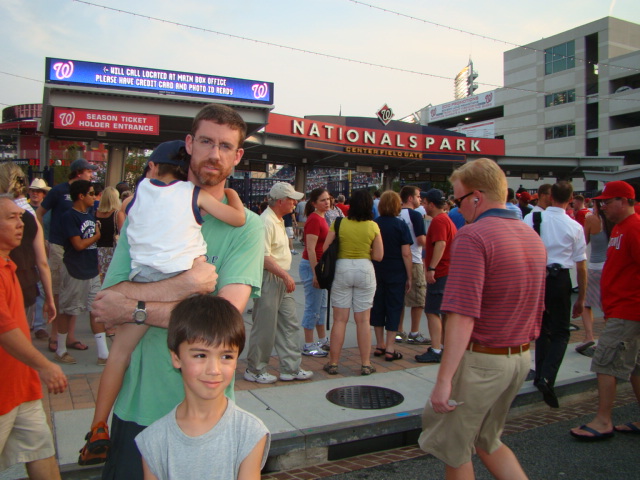
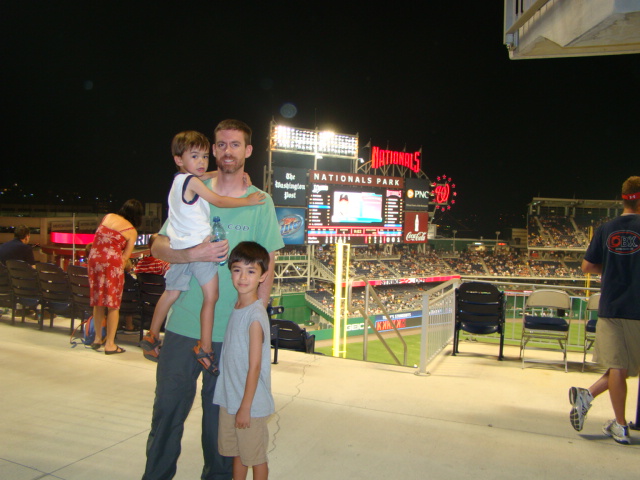
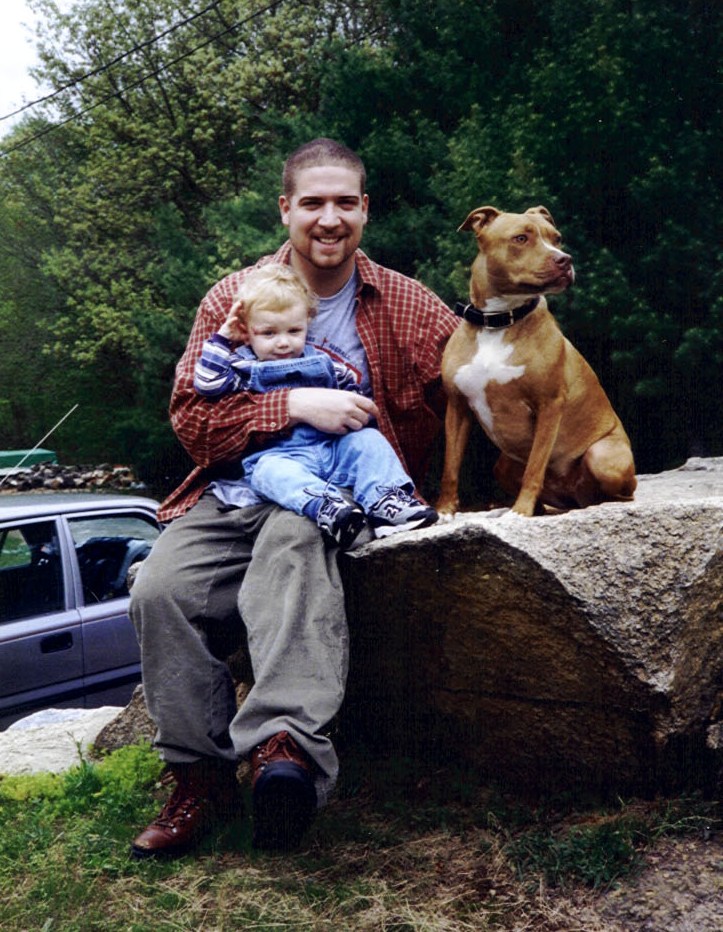
Our family took a road-trip to Washington D.C. this summer. After looking at the photos, I realized the subtitle of our stay could have been: how I carried my toddler son everywhere… in humid, 95 degree weather.

Continue reading

A Human Biology of War: The Proximate and the Ultimate

On the surface, it may not be so clear where war, health, and evolution intersect. From the perspective of biological anthropology, many have called for a holistic, transdisciplinary approach to human biology and health which considers the environment as the totality of its evolutionary, ecological, and social components, including social inequality (Little and Haas 1989; Thomas et al. 1989; Wiley 2004).

Girl in Darfur refugee camp (source: Colin Finlay)

More than a decade ago, Leatherman and Goodman (1998) suggested that biological anthropologists put more effort toward better understanding what they termed the ‘biology of poverty.’ In this sense, poverty is an ‘environment’ that may induce consistent, but obviously varying, biological responses depending upon local circumstances. Similarly, war can be conceived as a biological environment. At least in the short term from an evolutionary point of view, wartime conditions may be as biologically challenging as some of the classic ecologically extreme environments faced by humans (circumpolar, tropical, high-altitude, desert, etc.) (Clarkin 2010).

Continue reading

Life Is Beautiful

I debated for weeks whether to write about something as personal as the death of my brother Kevin on my (semi)professional blog and to try to explain how this event affected my view of life. Ultimately, I gave myself permission after deciding that it’s a fallacy to think that anyone can seal their personal and professional selves into watertight compartments. The personal side of me draws meaning from what I know of anthropology and evolutionary biology. I agree with the physicist Brian Greene, who once wrote that science isn’t merely about facts and theories; it’s also about the perspective those facts and theories provide. Science widens our horizons. Likewise, my academic side draws inspiration from my personal history, including the people who have been part of my life. I can say unequivocally that I was drawn into anthropology because of the many friends of different ethnicities I’ve had, which made me curious about the biological and cultural diversity of humanity. All of these things are significant events in my life, as is the death of my brother, after whom this website is named.

Kevin (Feb 26, 1977- May 14, 2000) with his son, Daniel

Kevin (Feb 26, 1977- May 14, 2000) with his son, Daniel

Yesterday marked the tenth anniversary of the passing of my younger brother Kevin, who died after his SUV swerved off the side of a small highway and hit a tree. He was only 23 years old, and left behind a young wife and an infant son. I was 25 and in graduate school at the time, three hundred miles away, and didn’t learn what happened until my father called me at 6 AM the following morning. To this day, any time the phone rings in the early morning or late at night, I am automatically filled with a sense of dread. As my father repeatedly asked me if I was sitting down before telling me what had happened, I immediately knew that someone close to me had died. I didn’t care if I was seated, standing, or on my head; I just wanted to know what happened. After what seemed like an eternity, I relented and told my father that I was in fact sitting down. For the rest of my life, his words will be tattooed in my mind: “Your brother Kevin was in a car accident last night, and he’s no longer with us.”

Continue reading

The Power of Love

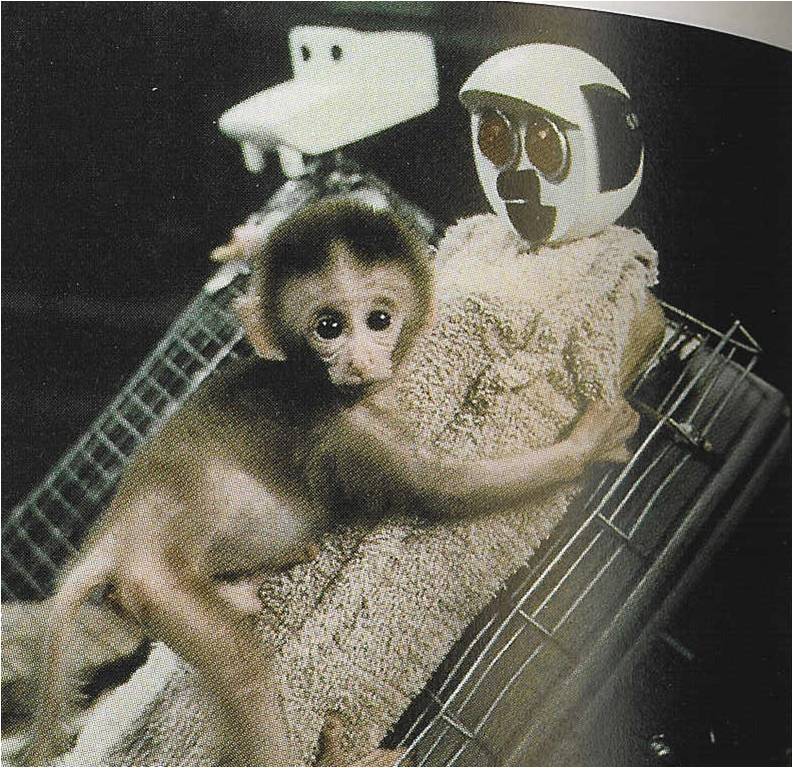
Infant rhesus monkey with terrycloth ‘mother’

As social animals, we need to be around others. Virtually everything we do is social – trade, eating meals, watching sports in stadiums or movies in theaters, religious services, education, the internet, etc. Even war is a social activity. No human being on the planet is completely self-sufficient. Being social is more than utilitarian, however; it is also biologically and psychologically necessary. For example, one of the most severe forms of punishment in prisons is solitary confinement.

Continue reading

Inequality, Evolution & Obesity

A recent study on child obesity by researchers at Harvard has received a good deal of media attention lately. In the NY Times, a synopsis of the study was one of the most emailed articles in the country (“Baby Fat May Not Be So Cute After All,” March 22). The key sentence from that article:

“More and more evidence points to pivotal events very early in life — during the toddler years, infancy and even before birth, in the womb — that can set young children on an obesity trajectory that is hard to alter by the time they’re in kindergarten.”


Continue reading

Rising Apes and Fallen Angels

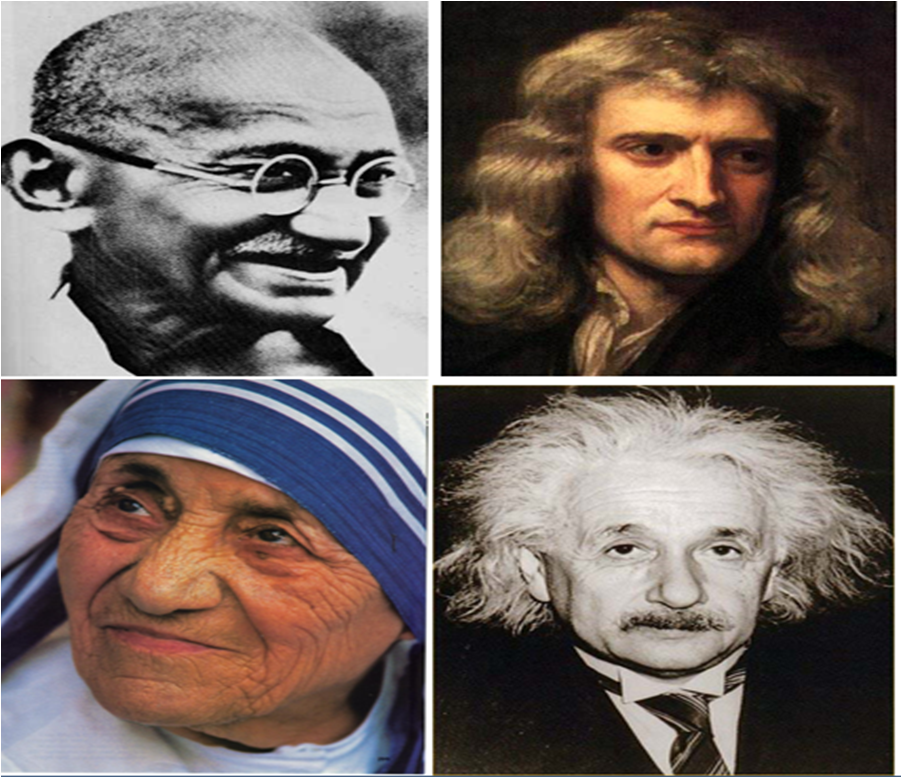
In my weaker moments, I always found it somewhat comforting to know that nobody is perfect. Even historical figures that are often conflated with human perfection had serious flaws. Isaac Newton is considered by many to be the most brilliant person in history, but was aloof, suffered from nervous breakdowns, and as a teenager may have threatened to kill his mother and step-father. Gandhi wrote frequently about his own imperfections and struggles with selfish desires. Einstein deserted his wife and two children for another woman (his cousin). Mother Teresa wrote about her own doubts and struggles with faith. Jesus had his fit of rage in the temple.

Continue reading

One Big Family

Evolutionary tree, Darwin’s notebook

Whether you like it or not, you are, in fact, my cousin. We can verify this through a couple of complementary lines of argument, one working forward in time, the other working backward. First, we know that all human beings comprise a single species, Homo sapiens. In 2005, Ian McDougall and colleagues reported in the journal ‘Nature’ that the oldest fossils belonging to our species were dated at 195,000 years old, and were discovered in Omo, Ethiopia. We all share this common point of origin as our lineages have intertwined and diverged over the last 8,000 to 9,000 generations or so.

Continue reading

On our (in)humanity

Two recent stories in the news caught my eye on the two sides of human beings. The first is a shocking episode of two young boys in England, brothers aged 10 and 11, who brutally beat two other boys of roughly the same age. The details of the case are horrific, as the brothers robbed the boys, threatened to kill them, forced one of them to engage in a sex act, and then for over an hour stomped and beat them with broken glass, bricks, sticks, and pieces of a ceramic sink. Both victims survived, but barely.

Contrast that story with the outpouring of support for Haitians suffering from the recent earthquake. According to the Chronicle of Philanthropy, as of January 20 private citizens and companies had donated $305 million to support relief efforts there. The wide chasm between these two stories encapsulates the tremendous pliability of human behavior. On the one hand, we have an enormous capacity for brutality toward each other, as seen in the many examples of interpersonal violence, the number of wars on the planet, or even through the more subtle, systematic violence of extreme poverty and exploitation.

Continue reading