
Dear Canada,
As an American, I would like to express how much we love you. The recent tensions between Canada and the U.S., needlessly sparked by Donald Trump’s insults toward Canadian sovereignty, reminded me how grateful my family is for you. Like many Americans, we have relatives in Canada; in fact, my grandmother emigrated to the U.S. from Nova Scotia decades ago. Without you, I wouldn’t exist.

Trump’s attempt to bully a long-time ally also reminded me that it has been said that he has few true friends, and therefore does not know how to be one. Instead, he prefers sycophants and others who glean scraps in his wake, but who are then loudly discarded once no longer useful to him. The classic example of this would be his own former Vice President, Mike Pence, but he is far from the only one.
This has been described as Trump viewing relationships as utilitarian or “transactional,” but others have argued that this is inaccurate. Rather, Trump could be more rightfully be called anti-transactional, since agreements entail a set of mutual promises, which Trump may or may not keep. Instead, the argument goes, it is likely that he views every interaction as a chance to gain more leverage.
A problem, understood by most people equipped with a basic range of emotions, is that in long-term relationships, insulting and bullying partners can breed resentment and defray cooperation. Advantages gained in the short-term may come with other costs down the road. For example, in the future, one could imagine an ally who has been insulted being less than eager to volunteer to send firefighters and equipment to a friend in need. However, Trump knows he won’t be around forever, and long-term relationships and consequences likely take a back seat to what can immediately benefit himself politically. As he allegedly said about the US debt reaching a critical mass in the future: “Yeah, but I won’t be here.”
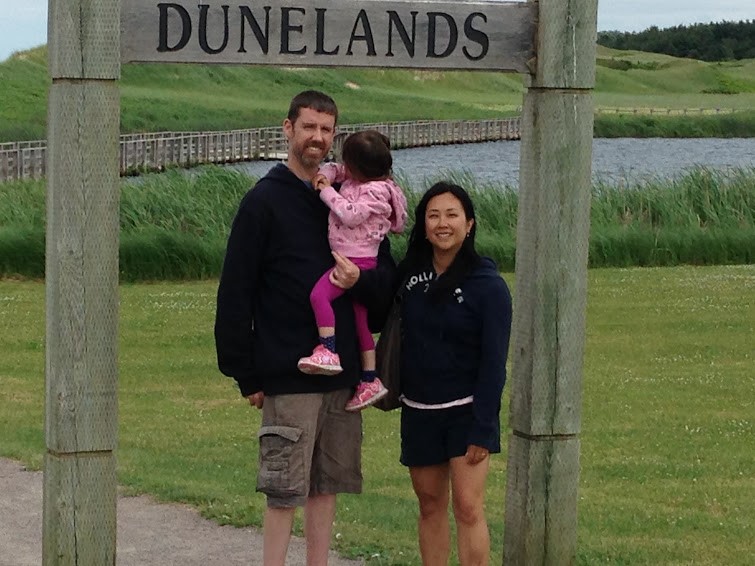
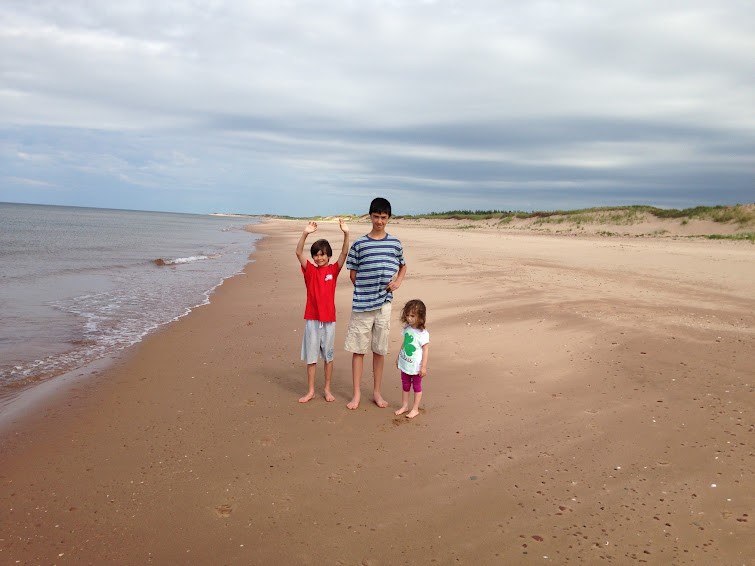
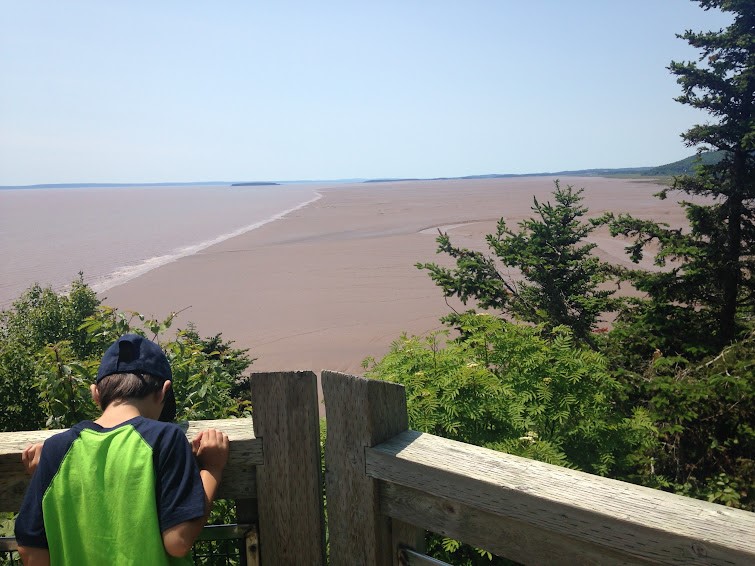
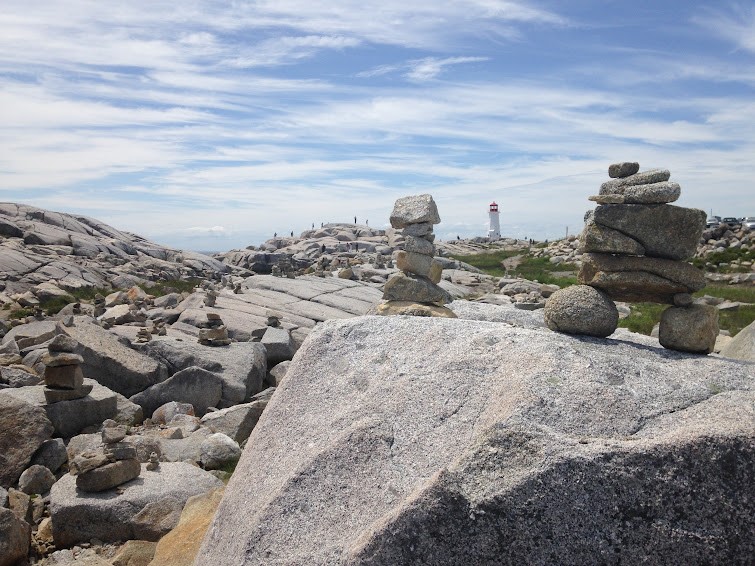
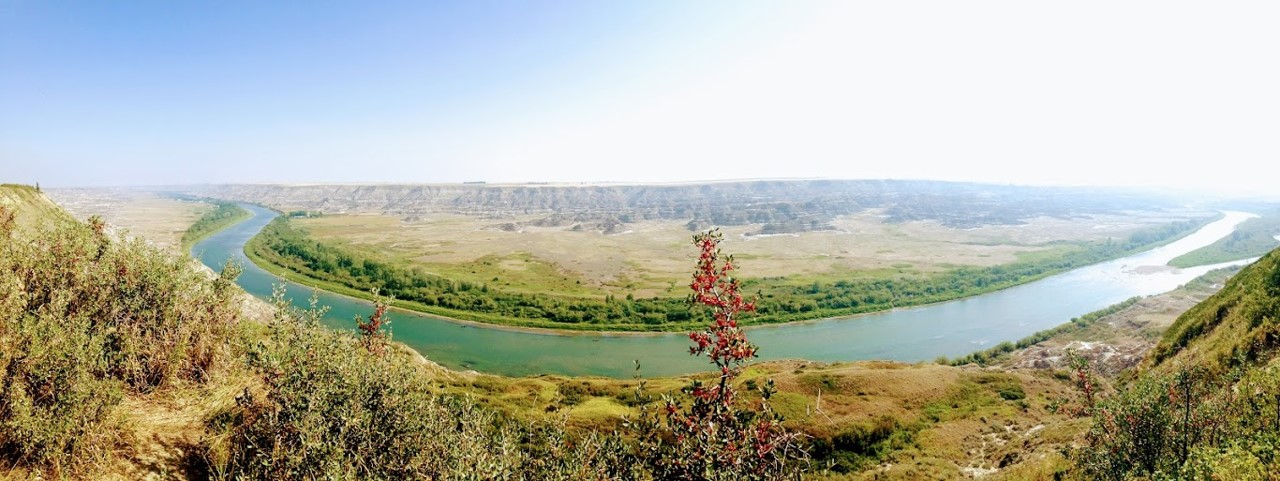
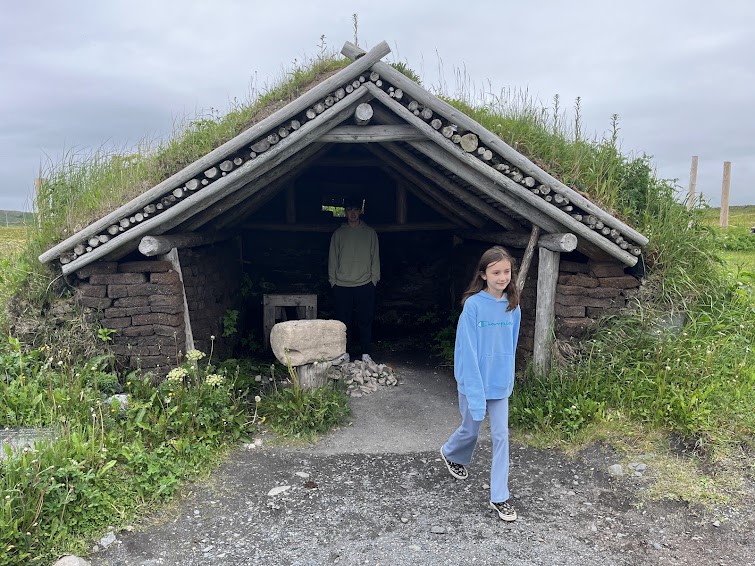
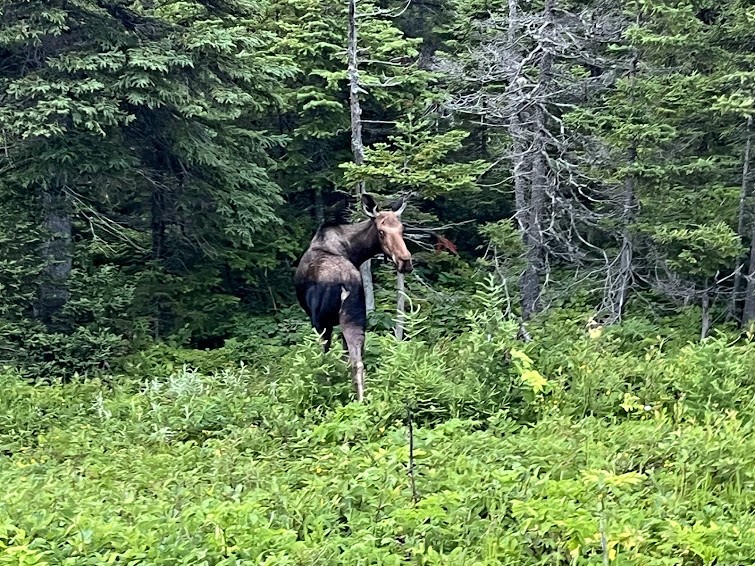
Canada has treated us well for a long time. My family has appreciated its people, cities, history, and breathtaking natural beauty for years, including Montreal, Banff, Calgary, Ottawa, Toronto, Nova Scotia (of course), New Brunswick, Prince Edward Island, and Newfoundland. It’s actually kind of ridiculous how often we’ve traveled there, but we love it. We fondly remember all the tiny pleasant interactions, the many people who gave us directions, and especially the woman in a small town who kindly re-opened her restaurant after hours to feed our traveling family when everything else nearby had closed. As she said, “We don’t let people go hungry around here.”
That is how friends should treat each other, and we are grateful to Canadians for their hospitality and for giving our family so many memories. We look forward to going back many more times, long after what’s his face is gone.



























 Patrick F. Clarkin, Ph.D.
Nice one, Patrick. The rest of the world (i.e. me) see it odd that Trump, with so many controversial foreign-policy matters on his plate, launches verbal attacks on his two land neighbours and even makes provocative statements re Denmark’s Greenland. One tries to understand. Indeed, Trump is not acting totally without precedent. The United Kingdom is ‘united’ only because England beat Scotland into ‘unity’. It also tried for far too long to control Ireland. Until fairly recently, sovereignty in the British Isles meant control from a government in London. Now — perhaps thanks to the emergence of the EU — Ireland is separate and equal (and in the EU), Wales no longer has separatists since Welsh is accepted and promoted as the national language of Wales, and Scotland has its own parliament plus representation in London. Northern Ireland remains an oddball — but mostly because nobody is sure of its status. (British passports are labelled ambiguously: ‘The United Kingdom of Great Britain and Northern Ireland’). One thing is for sure, nobody in the UK or Ireland wants to return to the situation of 50 years ago. Which makes it extra-odd that Trump seems to be creating similar historical tensions within North America (Mexico being within North not Central America). Perhaps, during Trump’s talks with Putin, he will agree to give Alaska back to Russia?